Only 1 Left!
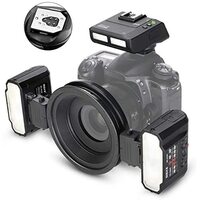
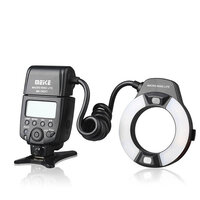
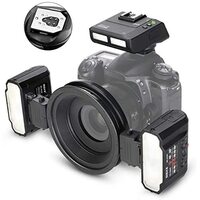
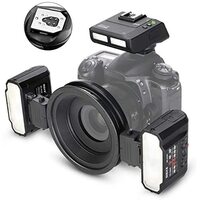
Meike MK-MT24IIS Twin Wireless Macro Flash Kit for Sony A7 A7II A7III A7IV A7R A9
AU$609.00
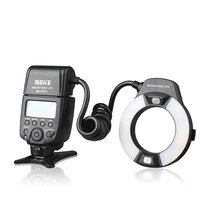
Meike MK-MT24IIS Twin Wireless Macro Flash Kit for Sony A7 A7II A7III A7IV A7R A9
AU$609.00
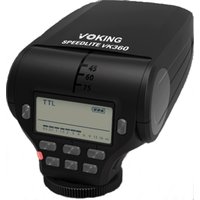
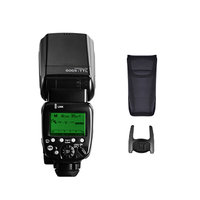
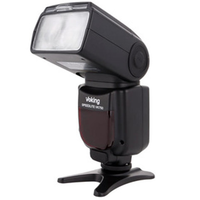
Voking VK360 ETTL SpeedLight For Canon with BUILT IN VIDEO Light
AU$79.00
AU$159.00
50% OFF
Build a portable lighting kit for events, portraits and location photography with speedlights from PROtog. These compact camera flashes can be used on-camera for fast, responsive shooting or moved off-camera to create more controlled and creative lighting.
Explore TTL and manual speedlights for compatible camera systems, along with flash triggers, light stands and modifiers for flexible single-light or multi-light setups. Whether you need dependable bounce flash at an event or a lightweight off-camera flash for portraits, the right speedlight gives you more control than ambient light alone.
A speedlight is a compact electronic flash designed for portable photography. It commonly mounts to a camera’s hot shoe, but many models can also be triggered wirelessly when positioned away from the camera. Compared with larger studio flash equipment, speedlights are easy to carry, quick to set up and well suited to photographers who work across changing locations.
Speedlights are commonly used for weddings, events, portraits, product photography, real estate, travel and editorial work. Their adjustable flash heads can often be tilted or rotated, allowing light to be bounced from a wall or ceiling for a softer and more natural result.
Mounting a speedlight directly on the camera keeps the setup compact and responsive. This is useful when subjects move quickly or shooting conditions change throughout the day. Bouncing the flash can soften shadows and spread light more evenly than pointing the flash directly at the subject.
Moving the flash away from the camera gives you greater control over direction, contrast and shape. With a compatible wireless trigger, stand and modifier, a speedlight can be used as a key light, fill light, rim light or background light. Multiple units can also be combined to build a lightweight lighting system for portraits and small product shoots.
Start by checking camera and trigger compatibility. Dedicated TTL functions, high-speed sync and remote control features may depend on the camera brand and wireless system being used. Important features to compare include:
A modifier can change the apparent size, spread and character of the light. Compact softboxes and umbrellas create a broader, softer source, while grids and snoots restrict spill for more precise control. Bounce cards and diffusers can be useful for quick on-camera work, although the result will depend on the size and distance of the surrounding surfaces.
For off-camera use, check that your chosen stand, bracket, trigger and modifier are compatible with the flash. A secure mounting system is especially important when working with umbrellas or softboxes outdoors.
Speedlights prioritise portability and fast setup. They are a practical choice for events, travel and small location kits, and they can produce excellent results for individual portraits and compact product sets. Larger flash lighting systems generally provide more output, faster sustained shooting and support for larger modifiers, making them better suited to demanding studio work, groups and bright outdoor conditions.
Many photographers use both: speedlights for mobile assignments and larger flash units when greater power or modifier coverage is required.
Not necessarily. A basic centre-pin flash may fire in manual mode on many cameras, but TTL metering, high-speed sync and wireless control are often camera-system specific. Confirm compatibility with your camera model before purchasing.
Yes. You will need a compatible triggering method, which may be built into the flash or provided by a separate transmitter and receiver. Check that the trigger supports the functions you want to control remotely.
A speedlight can work very well for individual portraits, headshots and small groups, particularly indoors or at close range. Larger groups, large modifiers and strong daylight may require more flash power or multiple units.
TTL uses the camera’s metering system to calculate flash output automatically. Manual mode lets the photographer set a fixed power level for consistent, repeatable results. Many speedlights offer both modes.
A trigger is usually required when the speedlight is positioned away from the camera, unless the camera and flash share a compatible built-in wireless system. Match the transmitter, receiver and flash protocol before building a multi-light kit.

Simple instalment plans available instantly at checkout
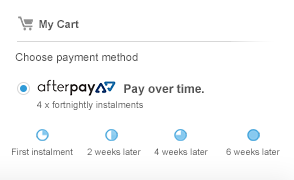

Use your existing debit or credit card

No long forms, instant approval online

Pay fortnightly, enjoy your purchase straight away!
All your need is:
1) An Australian Visa or Mastercard debit/credit card; 2) To be over 18 years of age; 3) To live in Australia
To see Afterpay's complete terms, visit https://www.afterpay.com.au/terms
© 2026 Afterpay