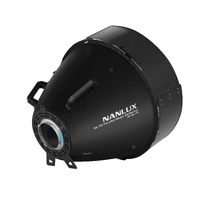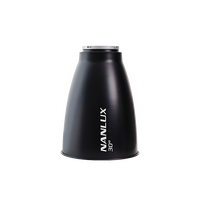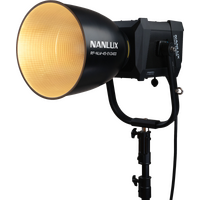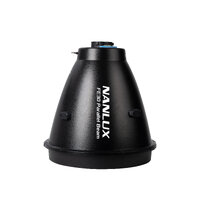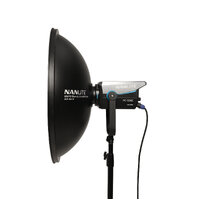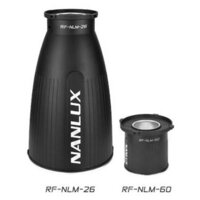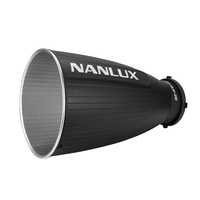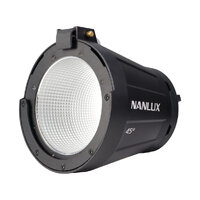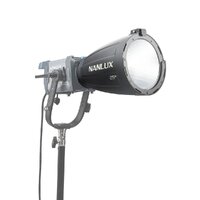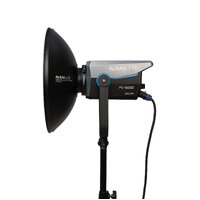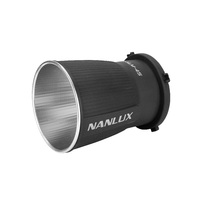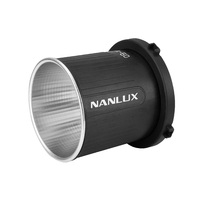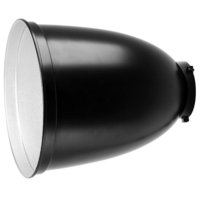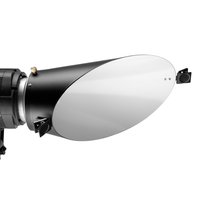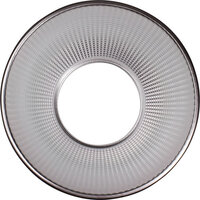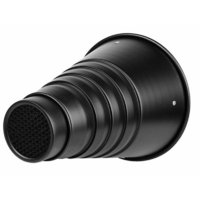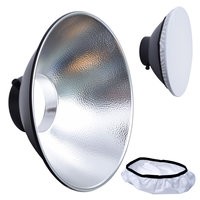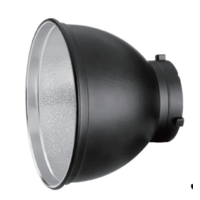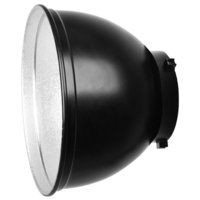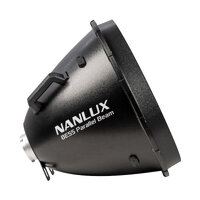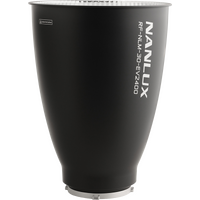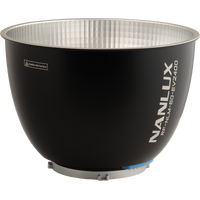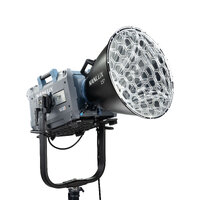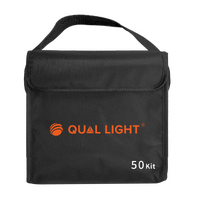
Qual Light 50 Kit 50cm 4 piece aluMinium Reflector Kit
Now AU$1,999.00
AU$3,669.00
46% OFF
Reflectors redirect, concentrate or shape existing light for photography, filmmaking and studio production. This range includes collapsible bounce reflectors for natural or artificial light, fixture-mounted reflectors for COB and flash systems, beauty-dish reflectors, background reflectors and specialised parallel-beam reflectors. Choose by application, surface, beam angle and—most importantly—compatibility with your light.
Photographic reflectors generally fall into two groups. Bounce reflectors are positioned separately to return light toward the subject. Fixture reflectors mount directly to a compatible light and control its beam. Both can improve efficiency and reduce the need for an additional powered fixture, but they work in different ways and require different support equipment.
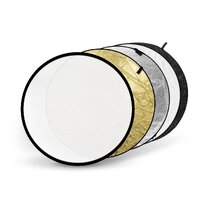
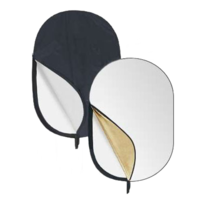
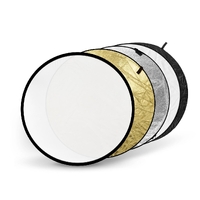
Collapsible bounce reflectors are useful for portraits, interviews, product photography and location work. They can lift shadows, create an eye light or redirect sunlight without adding another lamp. Round and rectangular designs are available in several sizes, from compact handheld options to larger reflectors for full-length subjects and groups.
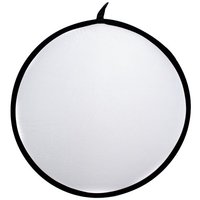
White produces soft, neutral fill with relatively low contrast. Silver reflects more light and creates a crisper result, which can be useful when the reflector is farther from the subject. Gold adds a warm tone and is best used carefully when accurate skin or product colour is important. Black surfaces absorb light for negative fill, while translucent panels can be used as diffusion.
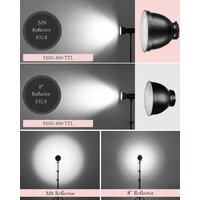
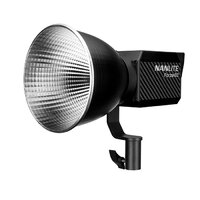
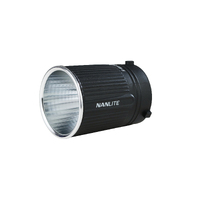
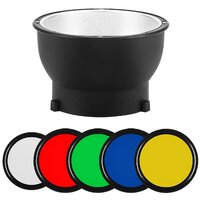
Reflectors for COB lights, studio flash and other point-source fixtures alter beam spread and useful intensity. Standard reflectors provide a practical general-purpose beam, while narrow-angle and long-focus models concentrate light for greater reach. Background reflectors create an asymmetric spread, and beauty-dish reflectors combine focused output with a broader, more sculpted quality.
Parallel-beam reflectors are designed to produce a highly directional beam with reduced spread. They are useful for simulating sunlight, creating strong hard-light effects and sending light over longer distances. These are specialist optical accessories and must be matched to the correct fixture mount and model. Their size and weight may also require heavier support and careful balancing.
A narrower beam angle concentrates output into a smaller area, while a wider reflector covers more of the set. Compare the manufacturer’s photometric information at your intended working distance rather than relying only on wattage. The reflector surface, depth and optical design all influence centre intensity, edge falloff and beam uniformity.
Fixture reflectors are not universally interchangeable. Common systems include Bowens S, FM, BE, FE, NL and manufacturer-specific mounts. Match the exact light and mount listed by the manufacturer. A reflector that appears to fit may not lock correctly, may obstruct ventilation or may not produce the intended optical result.
Small reflectors can be held by an assistant, while larger models benefit from a reflector holder, grip arm or dedicated support kit. Position the reflector where it catches the source and returns light at the desired angle. Use a suitably weighted stand and avoid leaving large reflectors unattended outdoors, where they can catch wind easily.
A reflector establishes the basic beam shape. A compatible grid can narrow the spread, while barn doors help block selected edges. Diffusion can soften the result, and flags provide an independent way to cut spill. Combining these tools gives more control than relying on the reflector alone.
Browse bounce reflectors and fixture-mounted reflectors for photography, flash and continuous lighting. Compare size, surface, beam angle, mount and supported light models before ordering. For compatible holders, stands and grip equipment, explore Studio & Gripping; for additional beam control, browse Grids, Barn Doors, Fresnels and Diffusion.
A larger reflector covers more of the subject and can create softer fill, but it needs more space and stronger support. Compact reflectors are easier to handle for headshots, tabletop work and travel.
Often, yes. A bounce reflector can return light from the key source to reduce shadow contrast. Its effectiveness depends on the source angle, distance, reflector surface and available space.
A common mount improves compatibility, but diameter, depth, heat management and accessory clearance may still vary. Confirm the reflector is approved for the particular fixture.
It creates a concentrated, directional beam for sunlight effects, long throws and hard-light looks. It is a specialist accessory designed for specific high-output fixtures.

Simple instalment plans available instantly at checkout


Use your existing debit or credit card

No long forms, instant approval online

Pay fortnightly, enjoy your purchase straight away!
All your need is:
1) An Australian Visa or Mastercard debit/credit card; 2) To be over 18 years of age; 3) To live in Australia
To see Afterpay's complete terms, visit https://www.afterpay.com.au/terms
© 2026 Afterpay