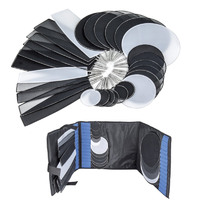
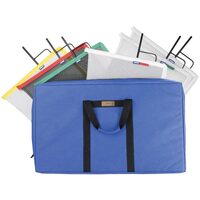
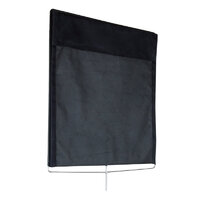
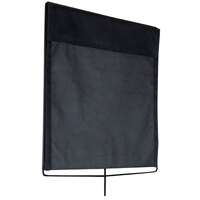
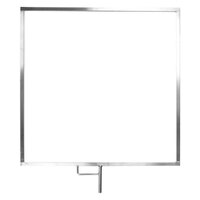
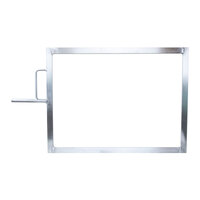
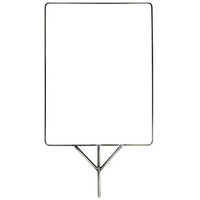
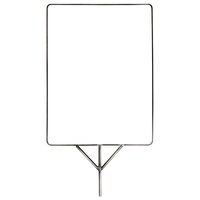
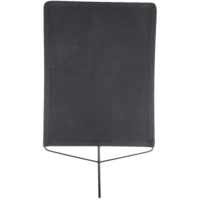
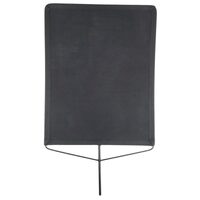
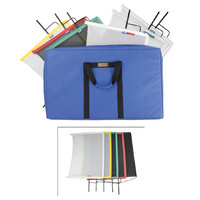
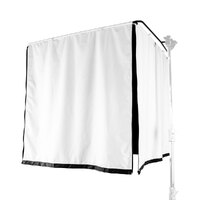
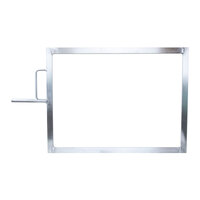
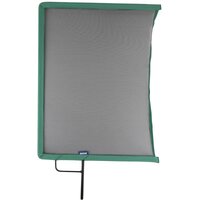
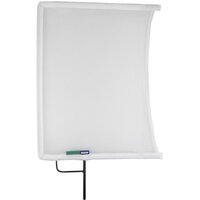
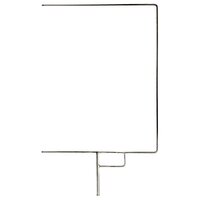
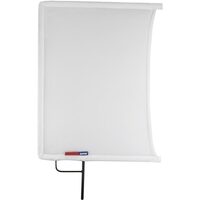
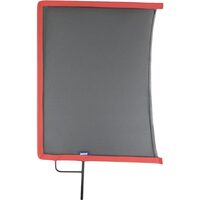
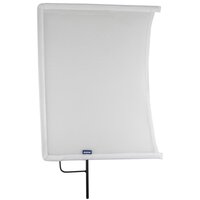
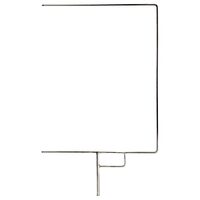
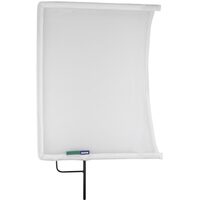
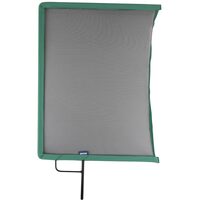
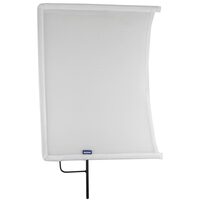
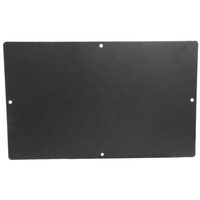
Lighting flags, cutters, floppies, nets and cucoloris panels help photographers and filmmakers block, reduce or pattern light independently from the fixture. Positioned on stands, grip arms or dedicated holders, they provide precise control over spill, reflections and contrast. Browse professional flag frames, open-end nets, black cutters, floppy flags, dots and fingers, and cookies for studio and location production.
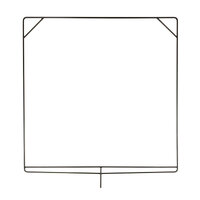
A lighting flag is an opaque or semi-transparent material mounted in a rigid frame. It is placed between a light and the subject, background or camera to block or reduce part of the beam. Unlike barn doors, which attach directly to a fixture, flags can be positioned anywhere on set. This gives crews more control over the size, sharpness and angle of the cut.
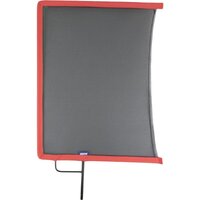
Black flags absorb light and prevent it from reaching selected parts of a scene. They can keep spill off a background, deepen contrast, control reflections on products or protect the camera lens from flare. Narrow cutters are useful for shaping strips of light, while larger frames cover broader areas.
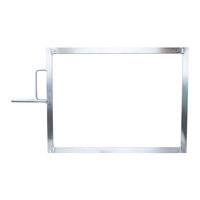
An open-end frame has three fixed sides and one unsupported edge, reducing the shadow of the frame when it is placed close to the beam. These frames may carry black fabric, silk or bobbin net. Common sizes such as 18 × 24 inches and 24 × 36 inches are widely used with C-stands and grip heads.
A floppy flag includes an additional hinged or hook-and-loop section that can unfold to double the blocking area. It offers compact transport with flexible coverage on set. Floppies are useful for negative fill, window control and larger cuts where a standard flag would be too small.
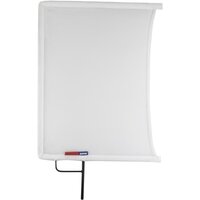
Bobbin nets reduce light intensity without changing the fixture setting. Single and double nets provide different levels of reduction, while black and white versions can behave differently around highlights and shadows. Nets are especially useful for controlling part of a subject or background while preserving the overall quality and direction of the light.
Dots are small circular flags, and fingers are narrow rectangular flags. They are designed for precise local control in product photography, tabletop work, close portraits and reflective setups. A dot and finger kit provides several sizes and materials for removing small highlights, adding negative fill or reducing light on a selected detail.
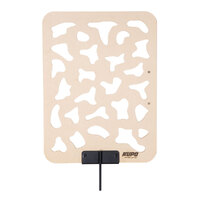
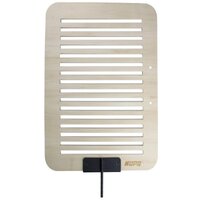
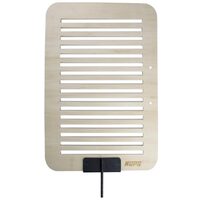
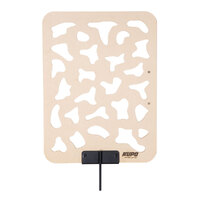
A cucoloris—often called a cookie—places an irregular pattern in front of a light to create broken shadows and texture. It can suggest window light, foliage or architectural shadow on a background. Hard cookies create more graphic patterns, while placing the cookie closer to the subject or using a broader source produces softer shapes.
French flags are compact opaque blades often mounted on an adjustable arm. They are commonly used to shade a lens, monitor or small part of a set. The flag itself belongs with light-shaping tools, while its holder, arm and mounting hardware should be selected from compatible grip equipment.
Mount flags to properly rated stands, grip heads or arms and secure them against rotation. Sandbag the stand, keep the weight over a stable leg and use appropriate safety attachments for overhead work. Large flags can catch wind outdoors and should never be left unattended. Maintain safe clearance from hot fixtures and do not block ventilation.
Flags block selected areas of light, while diffusion transmits and softens it. Nets reduce intensity, and barn doors shape the beam at the fixture. These tools can be combined: barn doors control broad spill, a flag creates a more precise cut and diffusion adjusts the light’s softness.
Browse Kupo lighting flags, cutters, floppies, nets, cucoloris panels, dots and fingers for professional photography and film production. Compare frame size, textile type, light reduction and mounting requirements. Compatible C-stands, grip heads, arms, holders and sandbags are available through Studio & Gripping.
Both block light. A cutter is generally narrower and is useful for creating a slim controlled cut, while a standard flag covers a broader area.
A double net reduces more light than a single net. Exact transmission varies by material, so refer to the product specifications when a precise reduction is required.
Usually not. Most require a compatible C-stand, grip head, arm or dedicated holder. Kits may include multiple flag textiles or a carry bag, but support equipment should be checked separately.
Yes, but wind can make them hazardous. Use heavy-duty support, sandbags and crew supervision, and lower the equipment immediately if conditions become unsafe.

Simple instalment plans available instantly at checkout
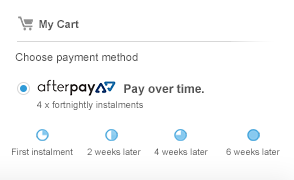

Use your existing debit or credit card

No long forms, instant approval online

Pay fortnightly, enjoy your purchase straight away!
All your need is:
1) An Australian Visa or Mastercard debit/credit card; 2) To be over 18 years of age; 3) To live in Australia
To see Afterpay's complete terms, visit https://www.afterpay.com.au/terms
© 2026 Afterpay