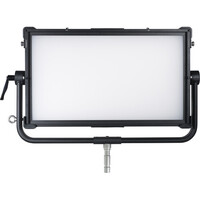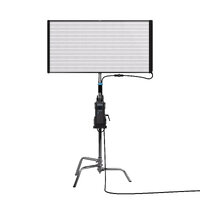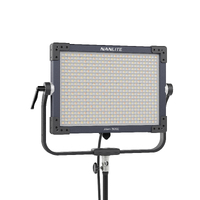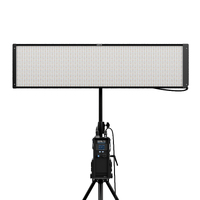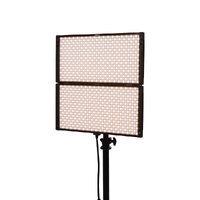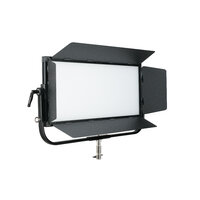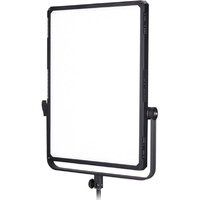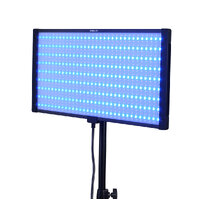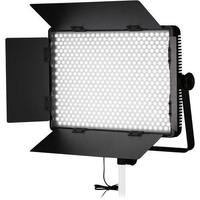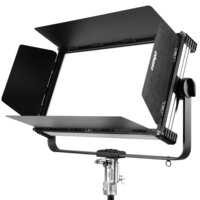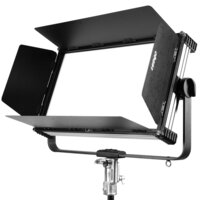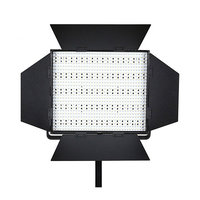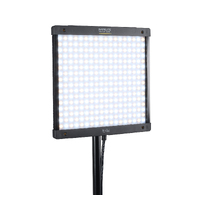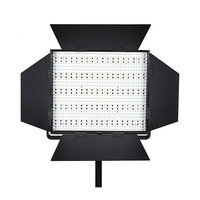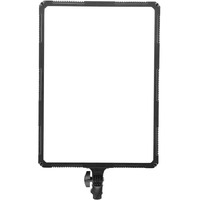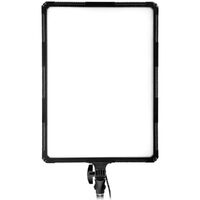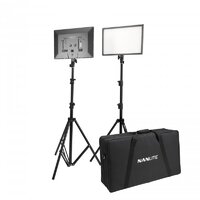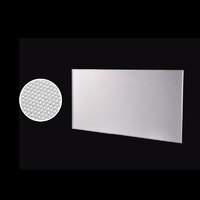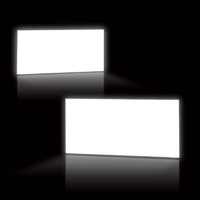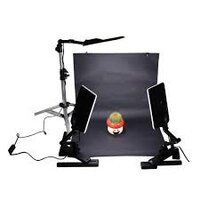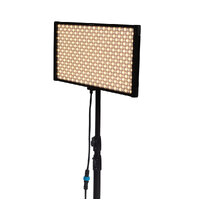
Nanlite PavoSlim 120B LED Bi-color Panel Light with QR Soft Box
AU$1,110.33
AU$1,208.00
8% OFF
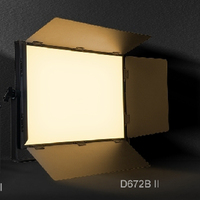
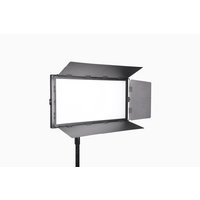
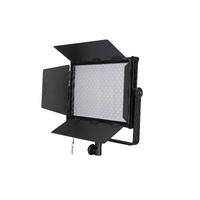
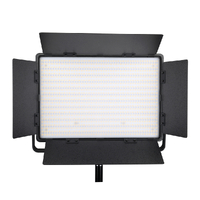
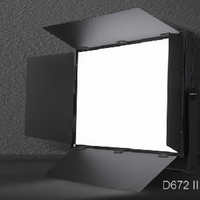
Nanlite D672BII 3200K to 5600K Bi-Colour LED Soft Studio Light
AU$831.95
AU$1,039.95
20% OFF
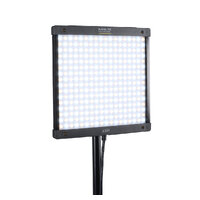
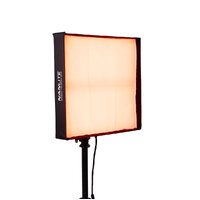
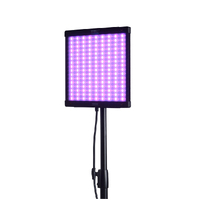
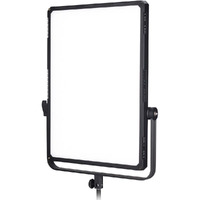
Nanlite PavoSlim 60B LED Bi-color Panel Light with Quick Soft Box
AU$817.60
AU$871.00
6% OFF
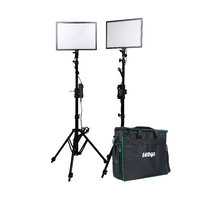
Ledgo LUXPAD E268C Twin LED Light Kit with Batteries, Stands and Grids
AU$795.81
AU$929.20
14% OFF
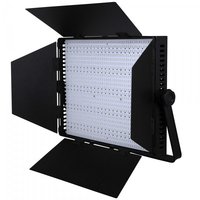
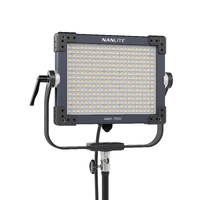
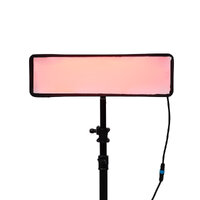
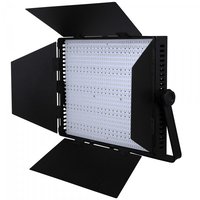
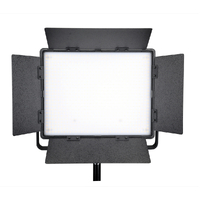
Ledgo 1200CS Bi-Colour PRO Series LED Panel with V Lock Mount
AU$769.00
AU$1,099.00
30% OFF
LED panels provide broad, controllable continuous light for photography, filmmaking, interviews, livestreaming and studio production. Their flat format creates an efficient, even source that is easy to position in smaller studios or close to a subject. Explore compact soft panels, slim flexible-style fixtures, traditional hard panels and high-output RGBWW models for location and professional production work.
An LED panel spreads light across a larger surface than a point-source fixture, helping produce smoother illumination and softer shadow transitions. Panels are useful as key, fill and background lights, and their shallow profile makes them practical where floor space or ceiling clearance is limited. Many models include adjustable output, colour temperature, effects and remote-control options for fast changes on set.
Small panels suit tabletop work, home studios and compact interview setups. Medium panels balance portability with enough surface area for portraits and video, while larger or higher-powered fixtures can cover groups, wider sets and more demanding working distances. Compare photometric data at the distance you intend to use rather than relying on wattage alone.
Traditional hard LED panels use an array of LEDs behind a front screen and can provide efficient, directional output. Soft panels use a larger diffused emitting surface for more flattering light at close range. Slim fabric-style and edge-lit designs can be especially useful in tight spaces. Additional diffusion, softboxes and grids can further shape supported fixtures.
Daylight panels are straightforward for daylight-balanced studios and location fill. Bi-colour panels let you adjust between warmer tungsten-style light and cooler daylight without gels. RGBWW panels combine adjustable white light with saturated colours, gel libraries and effects. For skin tones, products and colour-critical work, compare the stated colour-accuracy measurements across the fixture’s operating range.
Studio panels may run from mains power, common camera batteries, V-mount batteries or a combination of sources. Battery operation is valuable for location work and mobile crews, while mains power suits long interviews, streaming and permanent studios. Check whether batteries, chargers, power supplies and connection cables are included, as kit contents vary.
Depending on the model, an LED panel may support onboard controls, a mobile app, DMX, wireless DMX or LumenRadio CRMX. App control is convenient for individual fixtures and small sets. DMX-based control is better suited to larger productions where multiple lights need to be grouped, addressed and cued. Confirm supported protocols on the individual product page.
For portraits, position a panel close to the subject to increase its apparent size and soften the light. A second panel can provide fill, background separation or a clean white backdrop. In product photography, the broad reflection from a panel can create smooth highlights on packaging, bottles and polished surfaces. Grids or flags help control spill when more precise placement is required.
Panels are popular for interviews, corporate video, podcasts, livestreaming and creator studios because they provide consistent light without the recycling time of flash. Bi-colour control helps match office, domestic and daylight environments, while RGBWW fixtures can add colour to backgrounds or branded sets. Quiet cooling and flicker performance are important considerations for sound recording and high-frame-rate work.
Multi-light kits are useful when you need a repeatable key, fill and background setup. Kits may include stands, batteries, chargers, grids, softboxes or transport cases. Compare the included accessories carefully, along with the total packed size and weight, to decide whether a kit or individually selected fixtures better suits your workflow.
Most studio panels mount to a light stand or grip system through a yoke, baby receiver or compatible adaptor. Ensure the support is rated for the combined weight of the fixture, power components and modifier. Softboxes, diffusion and grids can soften or contain the beam, while barn doors help reduce spill. Use only compatible accessories and add appropriate safety measures for overhead mounting.
Browse LED panels from specialist lighting brands including Nanlite, Nanlux and Ledgo. Compare output, panel dimensions, white-light range, RGB capability, power options, control methods and included accessories to find the right fixture for your studio or production. Compatible power, bags, mounting hardware and modifiers are available through our Lighting Accessories, Light Shaping and Studio & Gripping categories.
An LED panel usually has a broader emitting surface and can create softer light at the same distance. A COB light is a more concentrated source but can become very soft when paired with a large softbox. The best choice depends on output, space, modifier requirements and the look you want.
Choose based on subject size, working distance and required softness. Compact panels work well close to individual subjects and products. Larger panels provide broader coverage and maintain a larger apparent source when positioned farther away.
Bi-colour is a cost-effective choice when you mainly need adjustable white light. RGBWW adds coloured light, gel simulations and creative effects while retaining dedicated white LEDs for normal production work.
Many can, but battery type and support vary. Some accept common camera batteries, while higher-output models may require V-mount batteries or mains power. Check voltage, connector, runtime and whether the necessary plate or cable is included.

Simple instalment plans available instantly at checkout
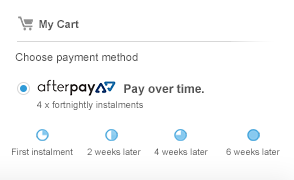

Use your existing debit or credit card

No long forms, instant approval online

Pay fortnightly, enjoy your purchase straight away!
All your need is:
1) An Australian Visa or Mastercard debit/credit card; 2) To be over 18 years of age; 3) To live in Australia
To see Afterpay's complete terms, visit https://www.afterpay.com.au/terms
© 2026 Afterpay