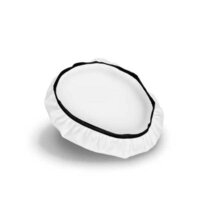
Lighting diffusion helps photographers and filmmakers create softer, more controlled illumination by spreading light across a wider area and reducing harsh shadow edges. Explore diffusion frames, artificial silks, butterfly textiles, translucent panels, fixture-mounted diffusion domes and portable light tents for studio and location production. PROtog stocks professional diffusion equipment from Kupo, Jinbei, Nanlite, Nanlux and PROLUX.
A diffusion material is placed between a light source and the subject to scatter the beam. This increases the apparent size of the source, softens transitions between light and shadow and can reduce contrast on faces, products and reflective surfaces. The result depends on the material, its density, its size and its distance from both the fixture and the subject.
Diffusion does not simply make a light dimmer. It changes how the light wraps around the subject and how reflections appear. A large diffusion frame placed close to the subject can produce broad, soft illumination, while a smaller diffuser close to the fixture gives more compact control.
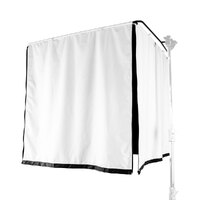
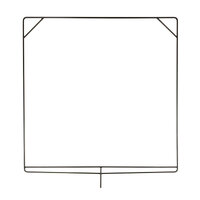
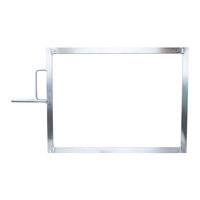
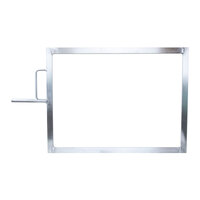
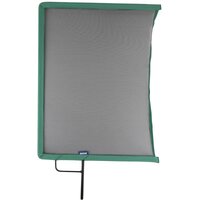
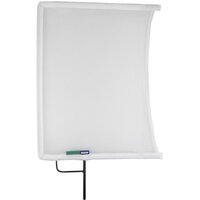
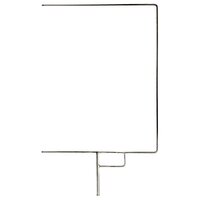
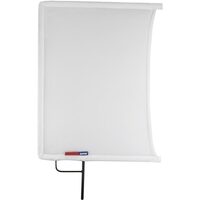
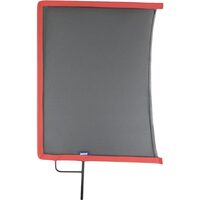
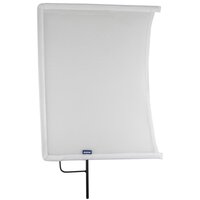
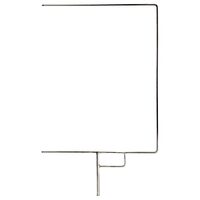
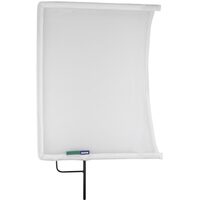
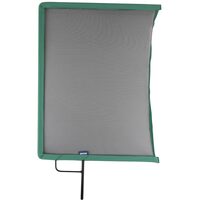
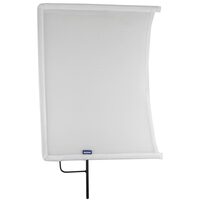
Framed diffusion is a practical option for positioning silk or synthetic diffusion material precisely on set. Full frames support the textile around all four sides, while open-end frames leave one edge unsupported to reduce the chance of the frame casting a visible line through the beam.
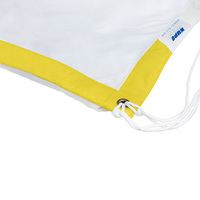
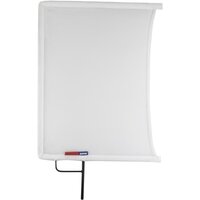
Artificial silk is commonly used to soften and spread light while remaining durable enough for repeated studio and location use. Quarter, half and full diffusion materials offer different levels of softening and light loss. Product specifications should be checked when a particular transmission or exposure reduction is required.
Butterfly frames support larger textiles for lighting full-length subjects, groups, vehicles and larger sets. Common sizes range from compact 1.8-metre frames through 2.4-metre, 3.6-metre and larger systems. The frame and textile may be sold separately, so confirm the dimensions and included components before ordering.
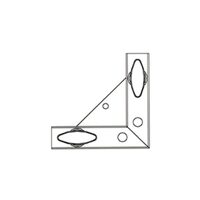
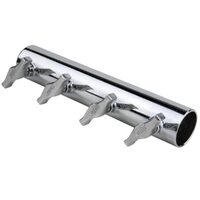
Large overhead diffusion can create a broad natural-looking source indoors or soften direct sunlight on location. Kupo and Jinbei frame systems are available with compatible artificial silks, wind nets, connectors, ears, stands and transport options. Large frames must be supported with properly rated grip equipment and secured for the conditions.
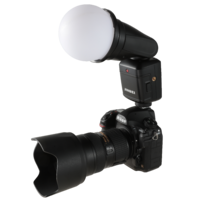
Diffusion domes and dedicated intensifiers attach directly to compatible LED fixtures. They offer a compact way to broaden or homogenise the beam without building a separate frame. Compatibility is model-specific, so check the listed Nanlite or Nanlux fixture series, attachment method and heat-clearance requirements before purchase.
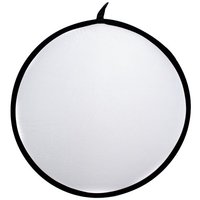
Translucent reflector panels and replacement diffuser cloths provide portable softening for portraits, interviews, product photography and small sets. A round translucent panel can be handheld or mounted between the light and subject, while reflector-specific cloths convert compatible frames into diffusion tools. Check the diameter, frame shape and attachment style for a secure fit.
A folding photo light tent surrounds small products with translucent material, helping to create even illumination and cleaner reflections. Light tents are useful for ecommerce photography, jewellery, collectables and other tabletop subjects. Choose a tent large enough to leave working space around the product and position lights outside the material for an even result.
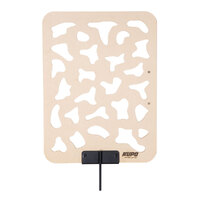
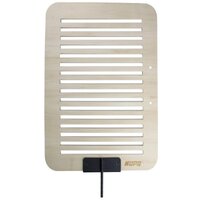
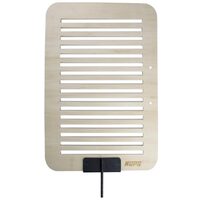
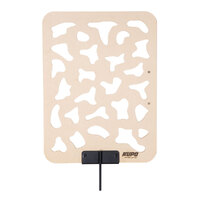
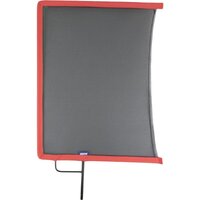
Diffusion transmits and softens light; flags block, reduce or pattern selected parts of it. Use flags and cutters when you need to control spill, add negative fill, protect the lens from flare or create a precise shadow. Nets reduce intensity over part of the beam, while cucoloris panels create patterned shadows. Browse the dedicated Lighting Flags, Cutters & Cucoloris range for these tools.
Lighter diffusion retains more output and makes a subtle change to the beam. Denser material creates a more even and enveloping source but normally requires more fixture output or a wider aperture. For repeatable exposure control, compare the transmission or stop-loss specification where supplied.
The diffuser should be large enough to appear as a broad source from the subject’s position. Small frames suit tabletop work, close portraits and individual fixtures. Butterfly and overhead frames are better suited to groups, full-length subjects, large products and daylight control.
Confirm whether the product includes the frame, textile, stands, connectors and carry bag or only one component. Match replacement textiles to the exact frame dimensions. For fixture-mounted accessories, check the specified light model rather than relying on appearance alone.
Consider packed length, assembly time, crew requirements and the available grip equipment. A collapsible light tent or compact framed silk is convenient for smaller jobs, while large butterfly systems offer greater control but need more space, support and transport capacity.
Use stands, grip heads, frames and connectors rated for the equipment and mounting position. Sandbag stands and keep the load centred over a stable leg. Large textiles can catch wind like a sail, so use additional restraint, appropriate crew and conservative operating limits outdoors. Maintain the fixture manufacturer’s required ventilation and heat clearance, and never place unsuitable material directly against a hot light.
Compare diffusion frames, artificial silks, butterfly textiles, overhead systems, diffusion domes, translucent panels and photo light tents for photography, video and film production. Review the product page for dimensions, density, compatibility and included components, or contact the PROtog team for help matching diffusion and grip equipment to your lighting setup.
A softbox mounts to a light and contains the beam within a reflective enclosure before it passes through diffusion. A separate diffusion frame can be positioned independently, used with different fixtures and made much larger relative to the subject.
Yes. Some light is absorbed or redirected by the material. The amount varies with the type and density of the diffusion, so check the stated transmission or stop loss when exposure is critical.
Moving the diffuser closer to the subject generally makes it appear larger and produces softer light, provided it still covers the beam. Moving it closer to the fixture can make the setup more compact but may create a relatively smaller source at the subject.
Not always. Some products are complete kits, while others are replacement textiles, bare frames, connectors or bags. Check the “what’s included” information and match the listed dimensions before ordering.
Yes, but only with appropriate support, restraint and supervision. Large frames are highly affected by wind and may need multiple stands, sandbags, tie-downs and crew. Lower the equipment immediately if conditions become unsafe.

Simple instalment plans available instantly at checkout


Use your existing debit or credit card

No long forms, instant approval online

Pay fortnightly, enjoy your purchase straight away!
All your need is:
1) An Australian Visa or Mastercard debit/credit card; 2) To be over 18 years of age; 3) To live in Australia
To see Afterpay's complete terms, visit https://www.afterpay.com.au/terms
© 2026 Afterpay